
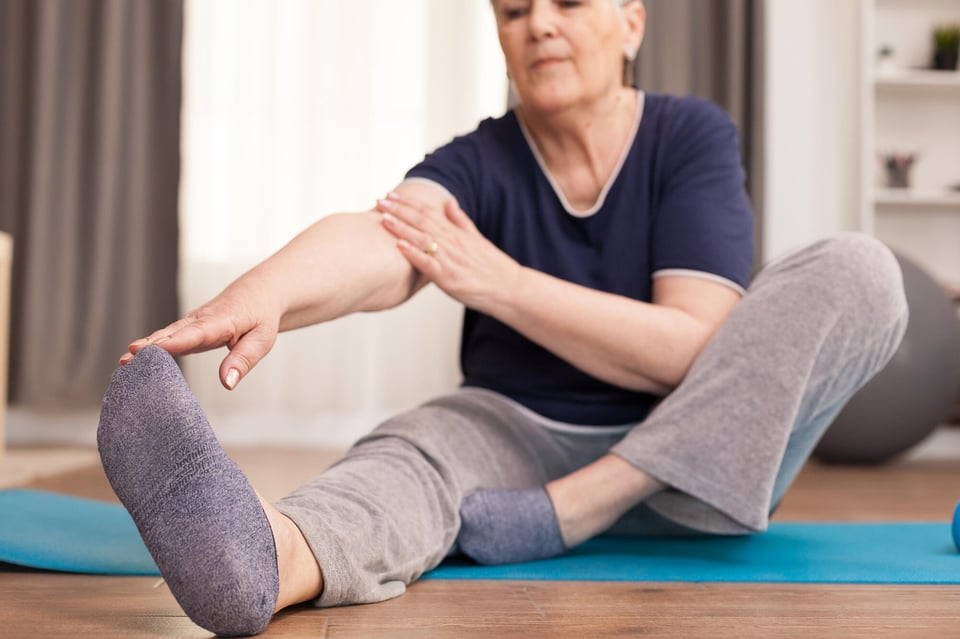
Gentle stretching and movement can help seniors over 75 stay flexible, reduce stiffness, and move with more comfort each day. Simple exercises such as seated hamstring stretches, ankle circles, shoulder rolls, and light walking all support better mobility and independence. These activities give older adults practical ways to stay active without strain.
Are you feeling stiff when you rise from a chair or reach for something on a shelf? Poor flexibility and limited mobility can make routine tasks harder. Today, we're taking a closer look at why exercise for seniors over 75 remains valuable even in advanced age.
It's important info for seniors in Kansas City, MO, a lively Midwestern city known for its rich jazz history, famous barbecue, and welcoming neighborhoods.
How Far Should a 75-Year-Old Walk Every Day?
Many adults over 75 want to stay active but aren't sure how much walking they need each day. Walking supports healthy aging habits and improves mobility support over 75, even when the distance is modest:
- Daily movement for circulation and comfort
- Individual limits based on health and balance
- Steady progress rather than strict distance goals
Daily Movement for Circulation and Comfort
A common goal for adults over 75 is about ten to twenty minutes of walking a day. This can be broken into shorter segments if needed. Even light walking increases blood flow and warms stiff muscles.
That warmth reduces tension in the legs and hips, which helps with balance and makes daily movement feel smoother. Walking often works well with other forms of exercise for seniors over 75, including gentle stretching.
Individual Limits Based on Health and Balance
Distance varies from person to person. Some people feel steady enough to walk a half mile, while others may feel safer with shorter paths near home. Using a cane, walker, or railings is fine. Support helps people maintain a pace that feels safe.
Steady Progress Rather Than Strict Distance Goals
Many seniors do better when they focus on consistent movement instead of a fixed number of steps. Regular short walks build confidence and strength. Over time, the body adapts, and the effort feels easier. The key is to keep the routine gentle, steady, and repeatable.
What Is the Number One Exercise to Do as You Get Older?
A regular stretching routine helps the body move with less tension. Muscles often feel tighter with age, and that tightness can make daily tasks harder.
Stretching encourages the muscles to lengthen and relax. This makes bending, lifting, and turning feel easier. Many seniors feel more confident when they follow a senior stretching routine that focuses on slow, steady movements they can repeat every week.
Balance often weakens in later years, which can raise the risk of falling. Stretching helps the legs and core stay responsive. When the body moves without tightness, steps feel more stable. This fits well with joint-friendly workouts that aim to protect the knees, hips, and ankles.
As the body ages, joints may feel stiff. Stretching helps ease that stiffness by giving the surrounding muscles more freedom to move.
The Ongoing Value of Flexibility in Later Life
Flexibility shapes how the body feels during everyday movement. Many adults over 75 notice more stiffness as the years pass, and that stiffness can limit comfort. Stretching supports flexibility in later life and gives the body a chance to stay loose and steady.
- How flexibility supports muscles and joints
- How age affects the range of motion
- Steady stretching improves daily mobility
How Flexibility Supports Muscles and Joints
Flexible muscles place less strain on the joints. When the muscles move freely, the knees, hips, and shoulders have more space to move without discomfort. It helps people stay active throughout the day.
A senior stretching routine that focuses on slow, easy movements can help the body feel less tense. Many seniors feel more comfortable when their joints don't have to fight against tight muscles.
How Age Affects Range of Motion
As people age, the tissues around the joints can grow tighter. It reduces how far the body can twist, bend, or reach.
These limits may show up during simple tasks. Stretching encourages the body to maintain a wider range of motion. Regular practice keeps the muscles warm and responsive, which supports mobility support over 75.
Steady Stretching Improves Daily Mobility
Many everyday movements depend on flexibility. Rising from a chair, turning to look behind you, or tying your shoes all take a certain amount of reach and ease. Stretching helps those movements feel smoother.
When seniors practice gentle stretches several times a week, they often feel more capable during daily tasks.
Frequently Asked Questions
How Often Should Seniors Over 75 Stretch Each Week?
Most seniors benefit from stretching three to five times per week. This rhythm helps the muscles stay warm and loose without feeling tired.
Some people enjoy shorter, daily sessions. The goal is steady movement that supports flexibility in later life. A routine that feels comfortable is more likely to last.
What Types of Stretching Are Safest for Older Adults?
Static stretching is often the safest option for seniors. It means holding a gentle position without bouncing.
It gives the muscles time to relax and helps the body ease into a wider range of motion. Slow movements work well for joint-friendly workouts and limit the chance of strain.
Can Stretching Help with Chronic Conditions Like Arthritis?
Many people with arthritis feel better when they stretch on a regular basis. Stretching brings warmth into the joints and can reduce stiffness. Gentle movements help the tissues around the joints stay soft.
Exercise for Seniors Over 75
Exercise for seniors over 75 doesn't need to be intense to make a difference. Small, consistent habits support balance, ease stiffness, and help older adults move through daily life with more confidence.
At Addington Place of Shoal Creek, we're proud to offer a warm, supportive assisted living community in Kansas City. Our team provides personalized care, engaging activities, medication support, and comfortable living options designed for each resident's needs. With wellness programs, a friendly atmosphere, and reliable daily assistance, we help seniors feel connected, confident, and at home.
Get in touch today to find out how we can help with your loved one's care.
.jpg?width=1200&height=799&name=addington-place-of-shoal-creek-kansas-city-community-exterior%20(1).jpg)